
Business idea · Agriculture
Catfish farming
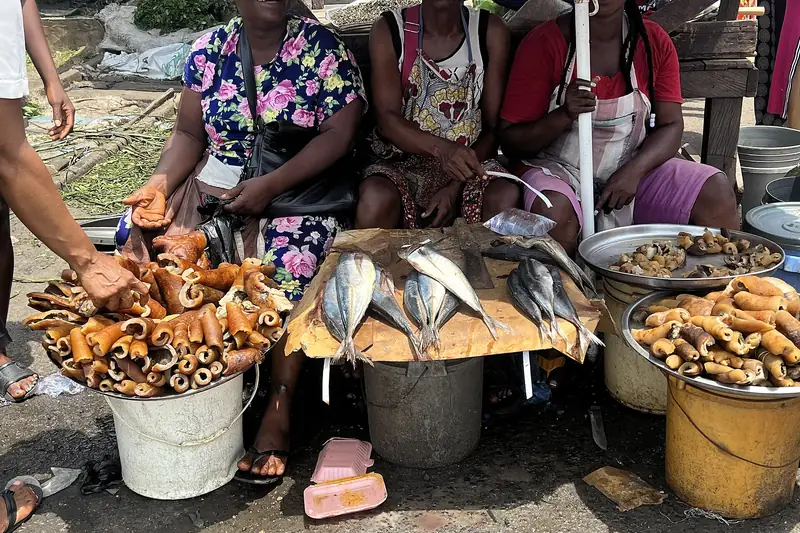
Stock fingerlings or juveniles in earthen ponds, concrete or plastic tanks, feed them to table size and sell them fresh, smoked or to processors. Many farmers start with tanks in a compound before moving to larger ponds.
Medium capitalPhysical locationSkill you can learn quicklyModerateNeeds land or a siteNeeds some powerFirst sale usually takes monthsHigher risk of lossCan run part-time
The customer problem
Pepper soup joints, bars, smokers and households want fresh fish on a regular schedule.
Target customers
- Pepper soup joints and bars
- Fish smokers and processors
- Households and market women
- Event caterers
What you need to start
- Space for tanks or ponds
- A clean, steady water source
- Training on water quality, feeding and grading
- A buyer lined up before harvest
Equipment and materials
- Tanks or ponds with drainage
- Water pump or borehole access
- Nets and buckets
- Grading containers
Estimated startup budget
Medium capital: needs equipment or a larger first stock. Prices change quickly and differ by city, so we don't print naira amounts. List each item and get two quotes before you decide.
Operating expenses
- Fingerlings or juveniles
- Fish feed (usually the largest cost)
- Power or fuel for pumping water
- Labour and transport at harvest
How it makes money
- Fresh fish by the kilogram
- Smoked or dried fish
- Fingerlings sold to other farmers (once you have the skill)
Pricing considerations
- Track feed used per batch to know your cost per kilogram
- Compare prices at nearby markets before harvest
- Agree a price with bulk buyers before the fish are ready
Marketing strategy
- Harvest-day announcements on WhatsApp Status
- Regular deals with pepper soup joints
- Videos of live fish at harvest
Common risks
- Poor water quality can kill fish quickly: change water and do not overstock
- Feed prices rise often
- Theft: secure the ponds
Ways to stand out
- Live fish delivered on time
- Cleaned and cut fish for busy buyers
- Smoked fish packed neatly for gifts
Your first 30 days
Week 1: Check the market
- Visit a working fish farm and ask what goes wrong
- Find out who buys fish near you and in what sizes
- Check your water source
Week 2: Set up and test
- Set up ponds or tanks and test the water
- Find a reliable source of fingerlings and feed
- Learn how to check water quality and fish health
Week 3: Find your first customers
- Stock a small first batch
- Keep daily records of feeding and losses
- Talk to buyers: pepper soup joints, markets and smokers
Week 4: Review and improve
- Review feed use and losses
- Agree sale dates with buyers
- Plan your next stocking
Want a plan shaped around your budget, time and power situation? Try the Idea Matcher.
Estimates, not promises
Earnings depend on your location, prices, costs and effort. Nothing here is a guarantee of income.