
Business idea · Fashion and clothing
Tailoring and fashion design
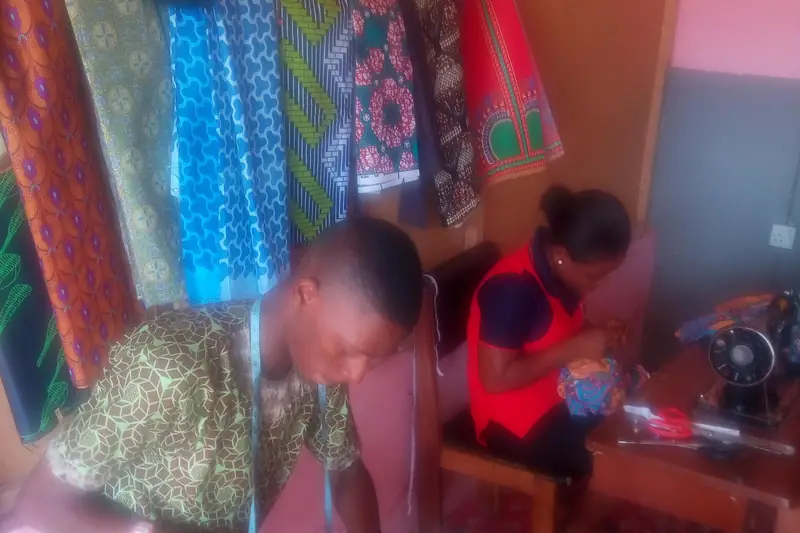
Take measurements and sew outfits to order: native wear, corporate wear, aso-ebi and children's clothes. Good fit, neat finishing and keeping to delivery dates bring repeat customers and referrals.
Medium capitalOnline + physicalSpecialist skill or trainingDemandingCan start from homeNeeds some powerFirst sale usually takes a few weeksLow risk of lossCan run part-time
The customer problem
People want clothes that fit well and are ready on time for work, church, weddings and owambes.
Target customers
- Working men and women
- Brides, families and aso-ebi groups
- Parents and schools
What you need to start
- Sewing and cutting skill (or training through an apprenticeship)
- A space to work and fit
- Power for machines
Equipment and materials
- Sewing machine
- Overlock (weaving) machine
- Cutting table, scissors and measuring tape
- Iron
Estimated startup budget
Medium capital: needs equipment or a larger first stock. Prices change quickly and differ by city, so we don't print naira amounts. List each item and get two quotes before you decide.
Operating expenses
- Thread, lining, buttons and zips
- Power and fuel
- Rent
- Apprentices or helpers
How it makes money
- Sewing charges
- Aso-ebi group orders
- Ready-to-wear pieces from leftover fabric
Pricing considerations
- Price by style and how long it takes
- Take a deposit before cutting
- Charge more for rush jobs
Marketing strategy
- Photos and videos of finished outfits (with permission)
- Before-and-after fabric to outfit videos
- Offers for aso-ebi groups
Common risks
- Late delivery losing customers: do not overbook
- Wrong measurements: always do a fitting
- Power outages slowing work
Ways to stand out
- Delivering on the promised date
- A clear style catalogue
- Free adjustments within a short window
Your first 30 days
Week 1: Check the market
- Decide which styles you sew best and who wears them
- Look at what tailors near you charge and how long they take
- Check your machines, tools and power backup
Week 2: Set up and test
- Sew 3 sample outfits to show your work
- Photograph them well and make a style catalogue
- Write your deposit and delivery rule
Week 3: Find your first customers
- Offer to sew for friends, family and colleagues
- Post finished outfits on WhatsApp and Instagram
- Tell one aso-ebi group you can take their order
Week 4: Review and improve
- Track how long each job took and price better
- Ask customers about fit and finish
- Book jobs only as far as you can deliver on time
Want a plan shaped around your budget, time and power situation? Try the Idea Matcher.
Estimates, not promises
Earnings depend on your location, prices, costs and effort. Nothing here is a guarantee of income.